Regulatory Shifts Reshaping Reward Activation Sequences for On-the-Go Table Games and Progressive Features
Skriven av Rafael Koch · 2026-09-18
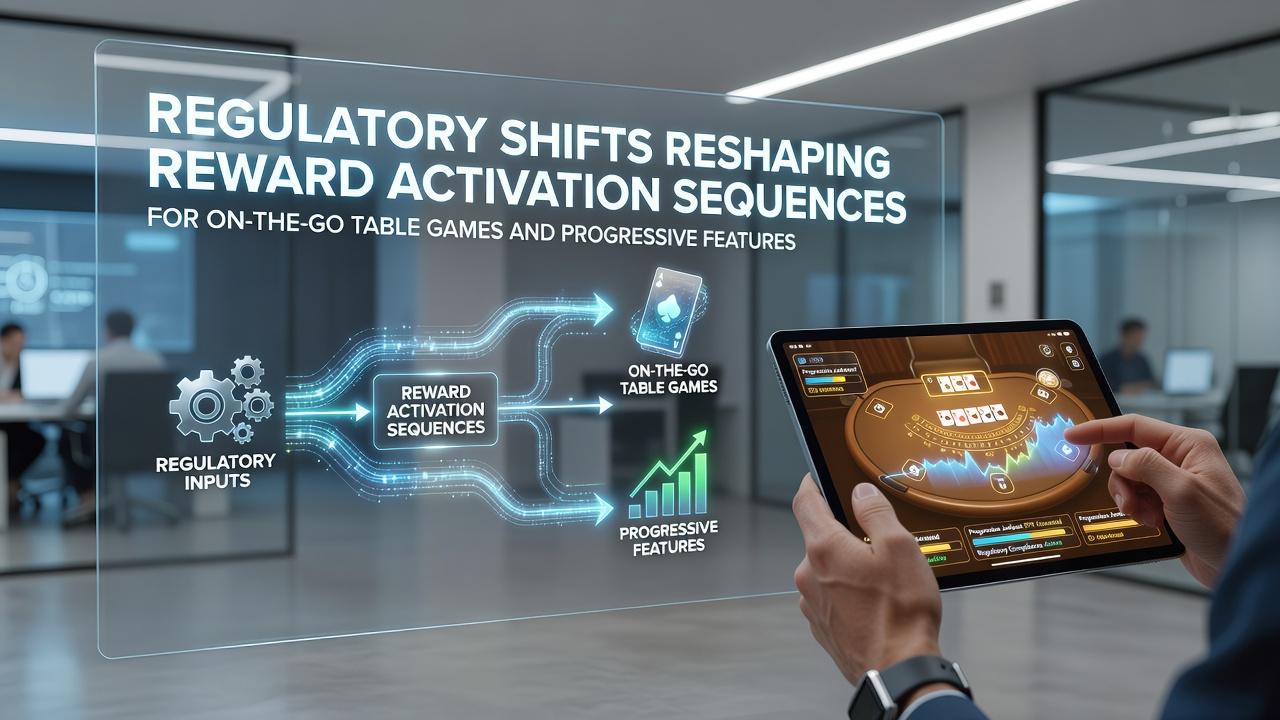
Regulatory Shifts Reshaping Reward Activation Sequences for On-the-Go Table Games and Progressive Features
Regulatory frameworks across multiple jurisdictions continue to evolve, and these adjustments directly influence how reward activation sequences operate within mobile table games as well as progressive jackpot systems. Data from industry monitoring organizations show that operators must recalibrate bonus triggers and payout pathways to align with updated compliance requirements, particularly in regions where mobile access has expanded rapidly since 2024.
Key Regulatory Developments in North America
State-level gaming authorities in the United States have introduced revised standards that affect real-time reward mechanics for on-the-go table games, and these changes require platforms to modify activation sequences for features such as live dealer bonuses and multiplier events. The Nevada Gaming Control Board published updated technical standards in early 2025 that mandate specific audit trails for progressive contributions during mobile sessions, while similar measures in New Jersey emphasize player verification steps before progressive pools can increment.
Canadian provincial regulators have followed comparable paths, and observers note that Ontario's iGaming framework now requires separate tracking of reward sequences tied to table game progressives accessed via smartphones. Figures from the Canadian Gaming Association indicate that compliance updates implemented in 2025 led to a 14 percent adjustment rate in mobile bonus configurations among licensed operators.
Impact on Mobile Table Game Reward Pathways
Table games delivered through mobile applications face particular scrutiny because reward activation sequences often rely on continuous data streams between devices and central servers. Regulators in several markets now stipulate that these sequences must pause or reset when location or session verification fails, and this requirement has prompted developers to redesign timing mechanisms for features such as streak bonuses and side-bet accumulators.
One documented case involves a major platform operator that revised its live blackjack progressive trigger after Australian state authorities issued new remote gaming guidelines in mid-2025. The adjustment separated the progressive contribution sequence from standard table game rewards, thereby ensuring that mobile users receive only verified increments during active, compliant sessions.

Adjustments to Progressive Jackpot Mechanisms
Progressive features linked to table games encounter additional layers of oversight because pooled contributions must remain traceable across multiple jurisdictions and device types. Research from the University of Nevada, Las Vegas International Gaming Institute reveals that regulatory updates scheduled for September 2026 in several U.S. states will introduce mandatory real-time reporting intervals for progressive meters accessed through mobile interfaces.
These forthcoming requirements aim to prevent discrepancies between player-facing displays and backend pool values, and operators have begun testing segmented activation sequences that isolate mobile contributions from land-based terminals. Data compiled by the American Gaming Association shows that progressive table game pools grew 22 percent year-over-year through 2025, yet compliance-related reconfiguration costs rose correspondingly in jurisdictions with mobile-first regulations.
International Perspectives and Compliance Trends
European markets outside previously referenced frameworks have also introduced measures that reshape reward sequences, and the Malta Gaming Authority implemented revised mobile audit protocols in 2025 that affect how progressive features accumulate during cross-border sessions. Australian regulators similarly require that reward activation for on-the-go table games include geo-fencing checks before any progressive increment occurs, and these rules have led platforms to deploy conditional logic within their game engines.
Industry reports from the European Gaming and Betting Association document that operators allocating resources to sequence redesign experienced fewer compliance incidents during the first half of 2026 compared with those that delayed updates. Such patterns suggest that proactive alignment with emerging standards reduces operational friction for mobile table game and progressive offerings.
Conclusion
Regulatory shifts continue to drive modifications in reward activation sequences for mobile table games and progressive features, and operators across regions must maintain adaptable systems to meet evolving technical and reporting standards. Information from government agencies and research institutions indicates that updates planned through September 2026 will further standardize verification processes, thereby influencing how progressive contributions and bonus triggers function in on-the-go environments. Stakeholders monitoring these developments can reference official publications from bodies such as the Nevada Gaming Control Board and the American Gaming Association for ongoing compliance guidance.